Iceland is one of the most volcanically active places on Earth. Its unique location stems from its location directly on the boundary of two tectonic plates – the North American and Eurasian – which are constantly moving apart. Furthermore, beneath the island lies a so-called magma hotspot, which makes volcanic activity not only frequent but also a natural rhythm for the entire island.
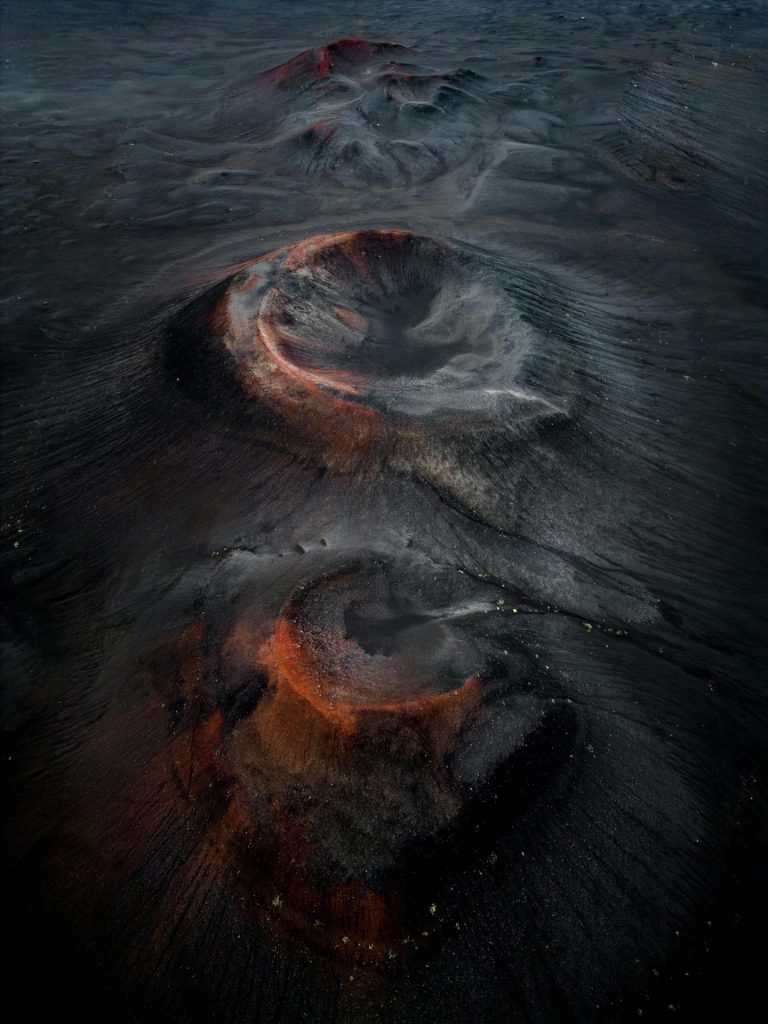
Iceland is home to approximately 130 volcanoes, dozens of which are considered active. Their presence is visible almost everywhere: in vast lava fields, black sands, steep craters, steaming fissures, and numerous hot springs and geothermal areas. Volcanoes are an integral part of the Icelandic landscape – they have shaped the terrain for thousands of years, creating a rugged yet fascinating landscape.
Volcanic activity in Iceland is not a sporadic phenomenon. Eruptions occur regularly – sometimes every few years – and some volcanic systems can remain active for extended periods. Eruptions can range from quiet lava flows that slowly spread across the earth’s surface to violent explosions that spew ash and gases high into the atmosphere. For Icelanders, these eruptions are a daily reality, and thanks to modern seismic monitoring systems, the country is among the best prepared in the world for managing volcanic hazards.
From a tourist’s perspective, Iceland’s volcanoes are among the most spectacular natural phenomena. Watching an eruption from a safe distance is a remarkable experience – the glowing lava, contrasting with the black earth and the cool, northern sky, creates a spectacle unlike any other. Even during periods without active eruptions, the volcanic landscape captivates visitors with its ruggedness and almost otherworldly character.
South Iceland, including the area around Selfoss and Hella, is a particularly interesting area. This region is located near some of the island’s most famous volcanic systems. The most recognizable volcano in this part of the country is Hekla – one of Iceland’s most active and unpredictable volcanoes. Its numerous eruptions over the centuries have had a profound impact on the local landscape and the history of settlement in the region.
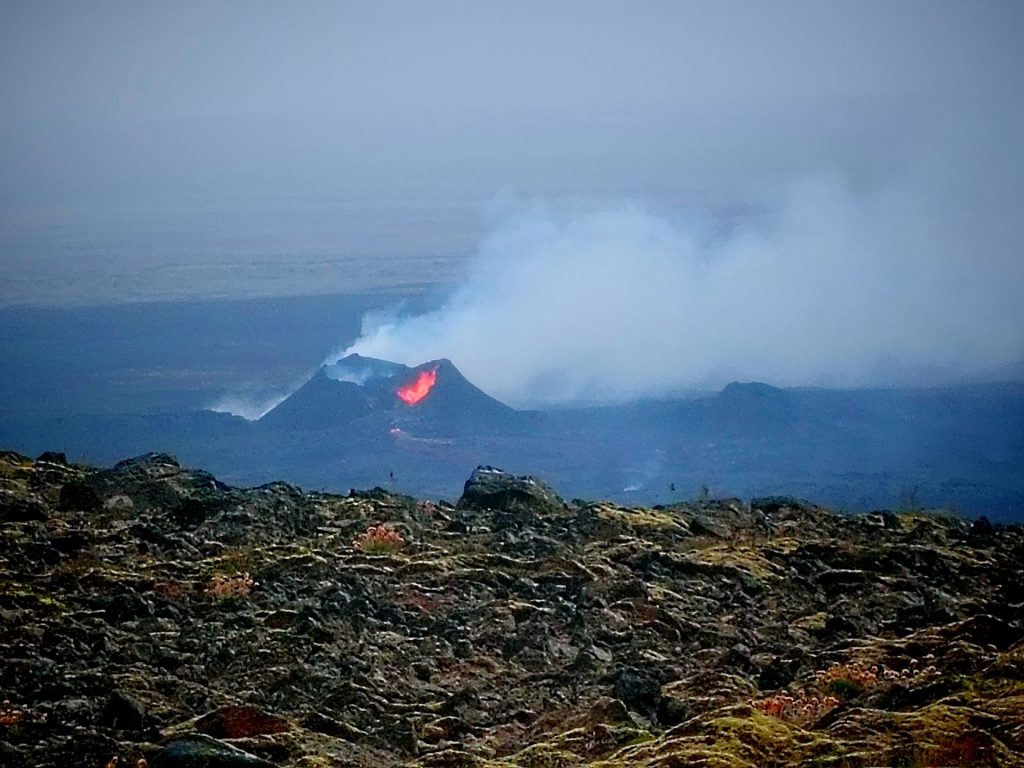
The areas around Selfoss and Hella perfectly illustrate how strongly volcanoes are ingrained in Icelandic everyday life. On the one hand, they pose a potential threat, but on the other, they provide fertile soils that favor agriculture and attract tourists from around the world. It is here that one can best understand how nature and humanity coexist in the shadow of powerful geological forces.
Iceland remains a country in constant process of creation. Each eruption changes its face, adding new layers to the history recorded in rock and lava. Volcanoes are not just a feature of the landscape-they are its foundation. They are what make Iceland such a unique, wild, and authentic place, offering a rare opportunity to observe the Earth in its most dynamic and pristine form.