If you wander across Iceland in late spring and summer, one of the first things that might catch your eye is the stunning bloom of lupines. Although not native to the island, these vibrant purple, pink, and blue flowers have spread across fields, hillsides, and even roadsides, creating a breathtaking tapestry that contrasts perfectly with the volcanic landscape.
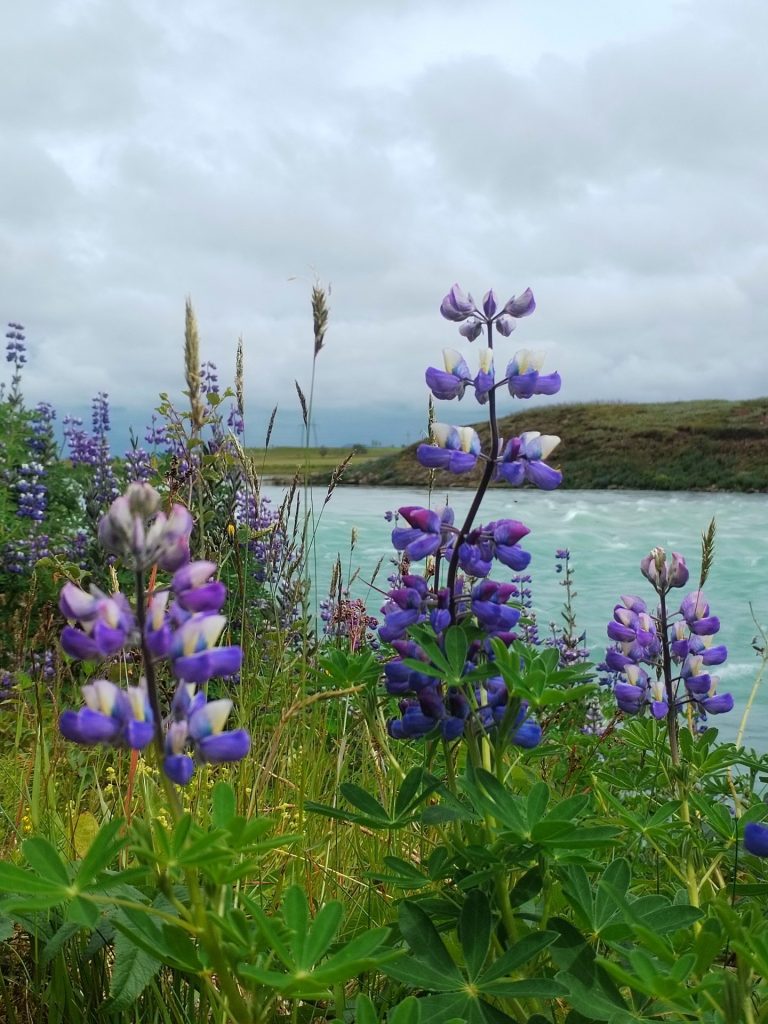
Łubin, pierwotnie wprowadzony w celu zapobiegania erozji gleby, zaskakująco dobrze rozwinął się w unikalnych warunkach Islandii. Dziś jest czymś więcej niż tylko rośliną użytkową – stał się wizualnym znakiem rozpoznawczym islandzkiego krajobrazu. Z daleka, pofałdowane pola łubinu wyglądają niemal magicznie, jakby malarz nałożył szerokie pociągnięcia pędzlem na surowy, często monochromatyczny teren.
Locals and visitors alike marvel at how this foreign plant has woven itself so beautifully into Iceland’s scenery, proving that sometimes nature’s surprises can become some of the most memorable features of a landscape.
Interestingly, lupines don’t just add color-they also play an important ecological role. Their roots fix nitrogen in the soil, enriching the ground for other plants to grow. This means that, while they may not be native, lupines have quietly helped transform parts of Iceland’s landscape, encouraging the return of grasses and wildflowers in areas that were once barren. Visitors walking through these fields often notice the mix of vibrant lupines with other emerging vegetation, creating a living, ever-changing mosaic that makes the Icelandic countryside even more enchanting.
For travelers, the best time to see lupines in all their glory is from late June to early August. Some of the most picturesque spots are along the roadsides near Vik, around Lake Myvatn, and in the fields surrounding Selfoss. Whether you’re driving through the countryside or taking a quiet hike, the sight of these vibrant blooms set against Iceland’s volcanic rocks and waterfalls is truly unforgettable – a perfect photo opportunity for nature lovers.