Iceland is famous for its dramatic landscapes, geysers, glaciers, and hot springs. One of the most fascinating culinary traditions of the island is hverabrauð – a traditional bread baked in the ground near geothermal sources. This method combines history, nature, and a flavor that is hard to forget.
TRADITION AND HISTORY
The history of hverabrauð goes back to the earliest times of settlement in Iceland. For centuries, Icelanders used the natural heat of the earth to bake bread. Sources describe this tradition as very old, although they do not indicate the exact first decades of settlement.
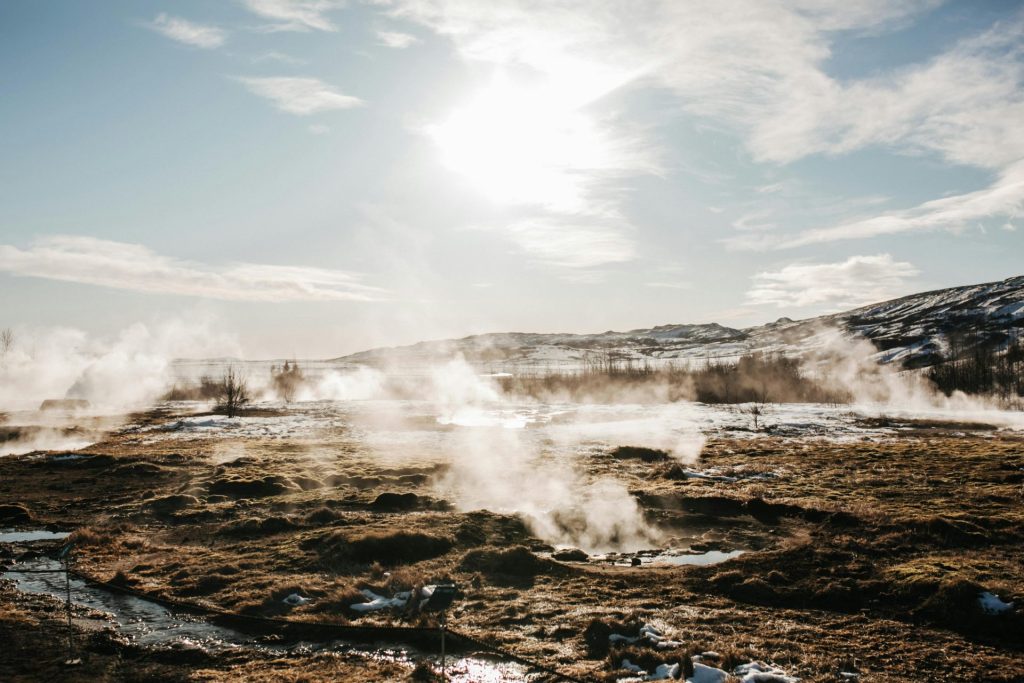
Burying a pot of dough in hot sand or soil was a practical solution: there was no need to light a fire, and the bread baked slowly, almost like in a “low-temperature natural oven.” Many accounts emphasize that the temperature of the sand near hot springs reaches around 90 -100°C.
WHERE TO TRY REAL HVERABRAUÐ
The most famous place is Laugarvatn, near the hot springs by the lake of the same name. At Laugarvatn Fontana, a spa with its own geothermal bakery, pots of dough are buried daily in the hot sand. After about 24 hours, the bread is ready – steaming, dense, and moist inside.
Similar practices can also be found in other geothermal regions of Iceland, such as near geysers or hot springs, where black, hot sand reaches temperatures similar to an oven.
In some accounts, the bread is called “thunder bread” or “volcano bread” – names that refer to the explosive nature of Icelandic nature, even though the bread itself bakes quietly and safely.
HOW HVERABRAUÐ IS MADE
Ingredients and Dough Preparation
Traditional dough is simple but distinctive:
- mainly rye flour (sometimes mixed with wheat),
- plenty of sugar, syrup, or molasses,
- baking powder or soda (no yeast needed),
- milk or buttermilk as the liquid base.
The dense dough is poured into a metal pot with a lid, a can, or an ovenproof dish that is tightly closed. The traditional loaf is relatively small and tall; baking in a closed pot prevents it from drying out, and the crust remains thin and soft, not hard like many oven-baked breads.
Baking in the Earth
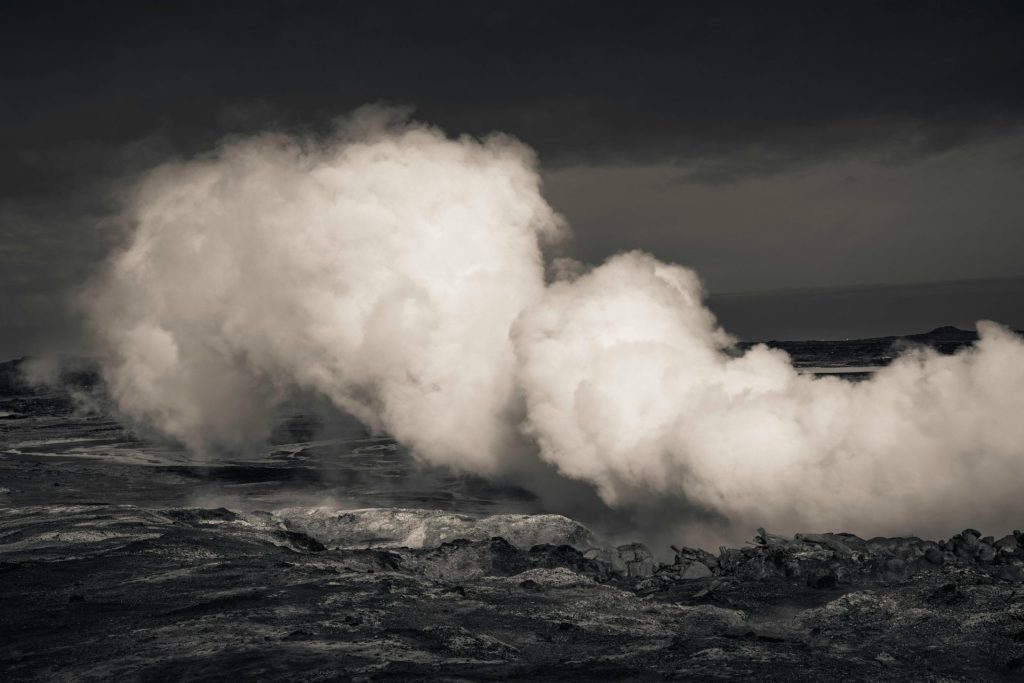
At the hot springs:
- a hole is dug in the hot black sand,
- the pot is buried about 20–30 cm deep,
- it is covered with earth and left for 12–24 hours.
After this time, the bread is removed and briefly cooled in cold water.
UNIQUE TASTE AND APPEARANCE
Hverabrauð is nearly black, heavy and dense, yet soft inside. Slow, long baking makes it moist, almost cake-like. Its sweetness comes from the slow cooking and the addition of molasses or sugar. It is traditionally served with:
- a thick layer of butter,
- pickled or smoked herring,
- smoked trout or other local fish.
A SYMBOL OF ICELANDIC CULTURE
For Icelanders, hverabrauð is more than food – it is a part of culinary identity. In many families, the tradition of baking in the ground is passed down through generations, often referred to as a “grandmother’s recipe.” For tourists, it is a unique opportunity to see Icelandic ingenuity and connection with nature – baking bread in geothermal sand has become a “must-see” and “must-taste” experience.
FUN FACTS
- Bread baked in the ground is actually cooked and steamed, giving it a moist texture.
- In the past, hot springs were also used to cook meat and vegetables, taking advantage of natural steam.
- At Laugarvatn, several pots are often buried at once, belonging to different families – creating a local communal ritual of bread baking.
Hverabrauð is a true symbol of Icelandic tradition: history, geothermal nature, and culinary culture come together in one extraordinary loaf of bread. It is an experience every visitor to Iceland should try – both with the eyes and the taste buds.